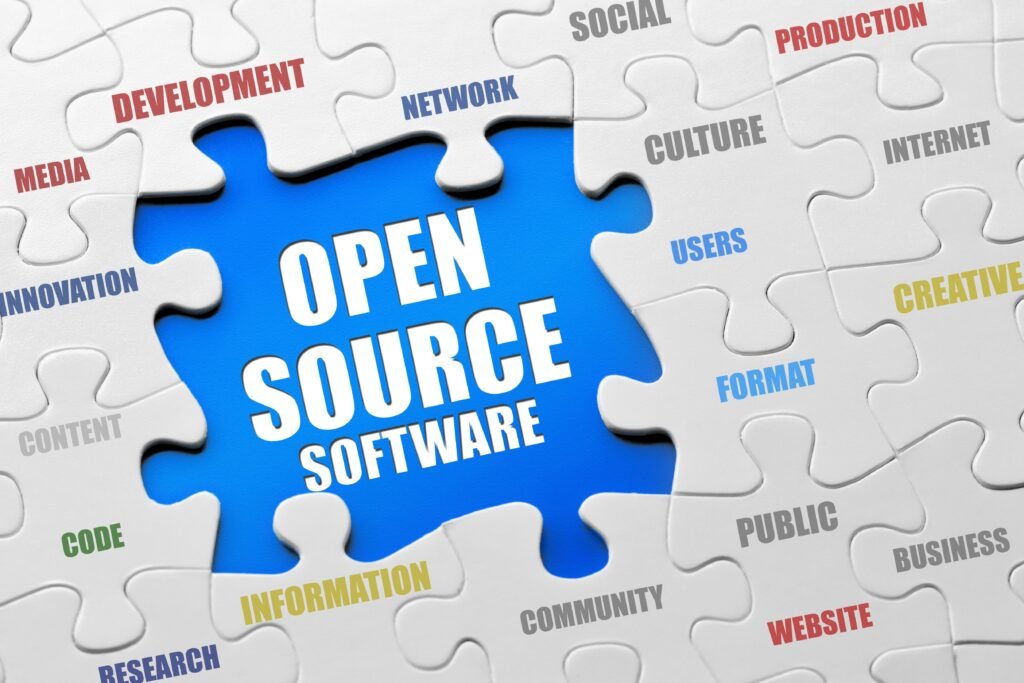
The software industry is often dominated by big names and subscription models, but open-source software has steadily gained momentum. Open-source platforms are not only free but often rival or surpass paid alternatives in functionality, flexibility, and security. For businesses and individuals looking to cut costs without sacrificing quality, open-source software is a game-changer.
Office Suites
While paid office suites like Microsoft Office dominate the market, open-source alternatives like LibreOffice and OnlyOffice offer comparable functionality. From word processing to spreadsheets and presentations, these platforms are compatible with most document formats and are constantly updated by active communities.
Graphic Design and Video Editing
Creative professionals can also benefit from open-source solutions. GIMP provides powerful image editing capabilities rivaling Adobe Photoshop, while Inkscape handles vector graphics seamlessly. For video editing, OpenShot and Shotcut are robust alternatives to premium software, supporting multiple formats and advanced features like transitions, effects, and multi-track editing.
Development Tools
Software developers have long embraced open-source tools. IDEs like Visual Studio Code, programming languages like Python, and frameworks such as Django are not only free but backed by large communities, ensuring constant updates, plugins, and support. Open-source tools often promote innovation and flexibility unmatched by proprietary alternatives.
Content Management Systems (CMS)
Running a website no longer requires expensive software. Open-source CMS platforms like WordPress, Drupal, and Joomla provide extensive customization, plugins, and themes. They are scalable, secure, and widely supported, making them ideal for bloggers, businesses, and e-commerce stores.
Security and Transparency
One key advantage of open-source software is transparency. Users can inspect the source code, report vulnerabilities, and even contribute improvements. This collaborative model often results in quicker security patches and more reliable performance compared to some proprietary software.
Community Support
Another benefit is the active community support surrounding open-source tools. Forums, online tutorials, and collaborative projects provide extensive guidance and troubleshooting resources. Unlike paid software where support may be limited or costly, open-source communities encourage sharing knowledge and solutions.
Conclusion
Open-source software is no longer just an alternative—it’s a viable, powerful, and cost-effective solution. From creative projects to enterprise operations, these platforms offer flexibility, security, and robust performance. Embracing open-source tools can save money, foster innovation, and empower users to take control of their digital environment.