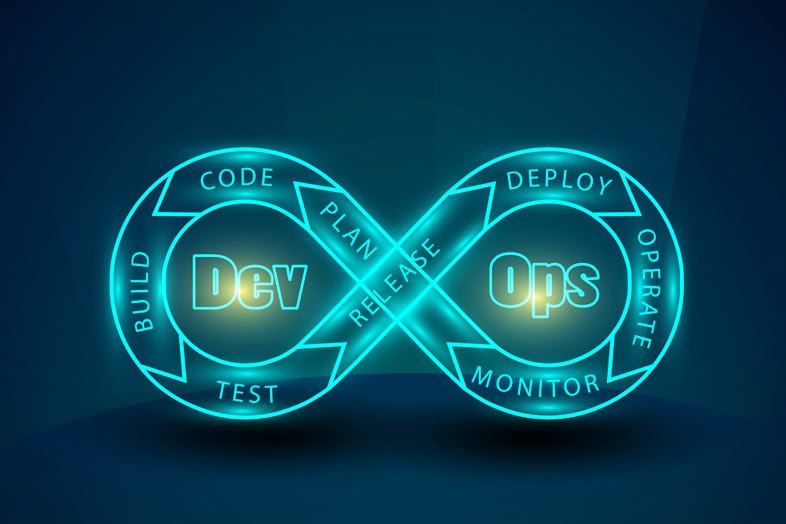
The world of software development is evolving rapidly, and DevOps sits at the heart of this transformation. Traditionally, DevOps has bridged the gap between development and operations, enabling faster, more reliable delivery of software. But in 2025, a new wave is reshaping the landscape AI-powered DevOps.
What is AI-Powered DevOps?
AI-powered DevOps refers to the integration of artificial intelligence and machine learning into the DevOps lifecycle. It goes beyond automation by enabling systems to learn from data, identify patterns, and make intelligent decisions in real-time. In essence, AI transforms DevOps from a reactive process into a predictive, proactive, and self-optimising system.
Why Does AI Matter in DevOps?
Modern software systems generate massive amounts of data from logs and metrics to performance stats and error reports. Human teams struggle to process this scale of information effectively. AI steps in by:
- Predicting failures before they occur
- Automating root cause analysis
- Optimising CI/CD pipelines
- Detecting anomalies in system performance
- Enhancing security by spotting unusual behaviour patterns
This doesn’t just reduce downtime; it empowers businesses to innovate faster while minimising risks.
Key Applications of AI in DevOps
- Automated Code Reviews: AI tools can analyse code for bugs, vulnerabilities, and performance issues, reducing manual review time.
- Intelligent Testing: Machine learning models can prioritise test cases based on risk, improving test coverage and efficiency.
- Predictive Deployment: AI predicts the impact of a release, preventing rollbacks and improving success rates.
- Anomaly Detection: Real-time monitoring tools powered by AI can spot issues before users are affected.
- Adaptive Pipelines: Continuous integration and delivery pipelines that self-adjust for speed, efficiency, and reliability.
The Benefits of AI-Powered DevOps
- Faster releases without compromising quality
- Reduced downtime through predictive maintenance
- Smarter resource allocation, cutting costs
- Enhanced developer productivity by removing repetitive tasks
- Improved security posture against emerging threats
Challenges Ahead
Of course, AI in DevOps is not without challenges. Data privacy, model accuracy, and integration with legacy systems remain concerns. Moreover, organisations need skilled professionals to manage AI-powered pipelines effectively. Trust in AI-driven decisions will also take time to build.
The Future of AI in DevOps
Looking ahead, we’re moving towards a future of self-healing, self-scaling, and fully autonomous software delivery systems. Imagine a scenario where:
- A bug is detected and fixed before a user notices.
- Infrastructure scales automatically based on AI predictions.
- Security threats are neutralised in real-time.
This isn’t science fiction anymore it’s the future AI is enabling for DevOps.
Final Thoughts
AI-powered DevOps isn’t just a trend; it’s the natural evolution of software delivery. For organizations that want to stay competitive in 2025 and beyond, adopting AI in DevOps is no longer optional — it’s essential. Those who embrace it will enjoy faster innovation, reduced risks, and a stronger digital edge.