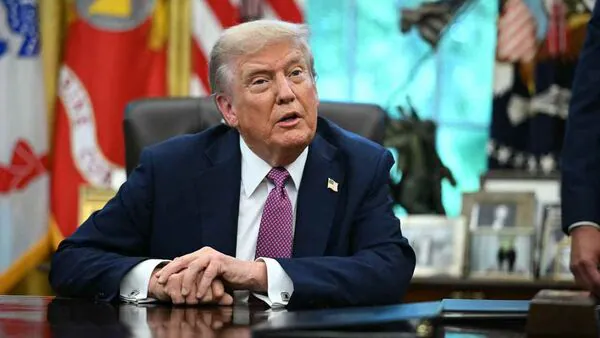
A Controversial Claim
In September 2025, a controversial claim by right-wing activist and Trump aide Laura Loomer set off ripples across the global technology and business community. Loomer suggested that Donald Trump, the former U.S. President and a key political figure once again, may be planning to block U.S. companies from outsourcing IT services to Indian firms.
She amplified her argument by mocking the call center culture, using the phrase: “Make Call Centres American Again.” The statement quickly gained traction, sparking debates about the future of outsourcing, trade relations, and the wider economic impact of such a move.
Outsourcing Under the Spotlight
Outsourcing has been one of the defining features of globalization. For decades, American companies have relied heavily on Indian IT giants for everything from software development and back-office operations to customer support. The efficiency, cost-effectiveness, and skilled workforce in India have made it the go-to destination for global outsourcing.
If such a plan were to materialize, it would represent a significant departure from business as usual. It would also challenge the foundations of the U.S.-India technology partnership, which has been mutually beneficial for years.
The America First Agenda
The idea isn’t completely new. During his presidency, Donald Trump consistently pushed an “America First” agenda. This meant promoting domestic manufacturing, restricting immigration, and discouraging practices that, in his view, shipped jobs overseas.
The outsourcing industry, particularly India’s IT sector, was always in Trump’s line of sight. Now, with growing rhetoric around tariffs, foreign labor restrictions, and reshaping global trade, this claim is being interpreted as an extension of that same vision.
Tariffs, Restrictions, and Speculation
Reports and political conversations surrounding the matter have hinted that tariffs or restrictions on IT services could be one way to implement such a policy. Big names like TCS, Infosys, Wipro, and HCL Technologies, which derive a large portion of their revenue from U.S. contracts, would be directly affected.
Some advisors close to Trump have floated the idea of taxing or penalizing companies that continue to rely on outsourced labor abroad. The logic behind this is framed as a push to bring jobs back to the United States and encourage local hiring in the technology and customer service sectors.
Potential Economic Impact
If this policy were to take shape, its impact would be significant, both in the U.S. and in India.
- For India: The country’s IT sector contributes billions to its economy and employs millions of professionals. Restricting access to U.S. clients could disrupt revenue streams, slow down growth, and force companies to pivot towards alternative markets. Job losses, reduced investment, and economic recalibration would be inevitable in the short term.
- For the U.S.: While some jobs could return to American soil, the costs would be much higher. Outsourcing to India allows U.S. companies to save billions annually. Restricting it would likely lead to increased operating costs, higher prices for services, and a potential slowdown in innovation.
A Diplomatic Balancing Act
The U.S. and India have, in recent years, strengthened their partnership beyond economics. From defense cooperation to shared goals in the Indo-Pacific region, the relationship is strategically important. Targeting India’s IT sector could strain these ties, creating diplomatic friction at a time when global collaboration is vital.
For India, such rhetoric could be seen as political posturing meant to appeal to American workers. However, the broader consequences could extend far beyond politics, potentially complicating trade agreements and strategic cooperation.
Resilience of the Indian IT Sector
India’s IT industry has faced challenges before—tightening visa rules, global recessions, and increasing competition. Yet, it has consistently adapted. Many companies have already reduced their reliance on U.S. work visas and diversified into Europe, Asia, and domestic markets.
Additionally, global tech leaders like Microsoft, Google, and Nvidia continue to expand their presence in India, investing heavily in innovation and AI development. This demonstrates long-term confidence in India’s role as a global tech hub, even if U.S. outsourcing policies shift.
Political Rhetoric vs. Reality
It’s important to note that Loomer’s claim, for now, remains unverified. There is no official confirmation from Trump or his administration about a concrete plan to block outsourcing to India.
Often, such statements are used to test public sentiment or strengthen campaign narratives. It plays well with sections of the American workforce that feel threatened by outsourcing and globalization. But whether it can translate into actionable policy is still uncertain.
The Bigger Picture
This debate highlights larger themes that extend beyond one country or one policy:
- Globalization vs. Nationalism: Should economic efficiency take precedence, or should nations prioritize domestic job security at the expense of global cooperation?
- Innovation and Competitiveness: Restricting global talent and outsourcing might create short-term jobs but could slow down long-term innovation.
- Economic Interdependence: Modern economies are interconnected. Moves to isolate or block certain sectors can trigger ripple effects across industries and nations.
- Strategic Partnerships: For the U.S. and India, maintaining a stable relationship is about more than economics—it’s about geopolitical alignment in an increasingly complex world.
What Lies Ahead
The idea of blocking outsourcing to India is dramatic and disruptive, but it also underlines the shifting dynamics of global politics. If it moves beyond rhetoric into policy, the consequences would be profound for businesses, workers, and international relations.
For India, the path forward may involve greater diversification, reducing reliance on any one country for IT exports. For the U.S., policymakers would need to weigh the benefits of domestic job creation against the costs of higher prices and slower innovation.
Conclusion
The claim that Donald Trump might move to block outsourcing to India has stirred debate, but for now, it remains speculation. What it has done, however, is spotlight the fragility of global economic interdependence and the tension between political messaging and economic reality.
Whether or not the policy ever materializes, the conversation is a reminder of how intertwined the fates of nations have become in the digital era. In a world where technology drives economies, every decision—political or economic—carries ripple effects far beyond borders.
For now, outsourcing to India remains intact, but the future may hold challenges that test the resilience, adaptability, and diplomacy of both nations.